Learn about vital roof care to protect your property and Durability.
The necessity of keeping up a safe and durable roof cannot be overstated. Many homeowners neglect vital roof maintenance until major issues develop. Routine checks often reveal underlying problems, while knowing typical maintenance can avoid expensive deterioration. Knowing about roofing components and the function of drainage systems also is a key factor in how long the roof lasts. As homeowners deal with these factors, knowing how to choose the right contractor is just as important. How can they proceed to secure their investment?
Why You Need Periodic Roof Assessments

While some homeowners might ignore this, the value of periodic roof assessments is undeniable. Routine checks are crucial for preserving the soundness of a home. Roofs naturally degrade over time due to different external elements, including the elements, buildup of material, and old components. Routine checks assist in finding potential issues before they escalate into significant problems, such as leaks or structural damage. In addition, taking care of the roof early can increase the longevity of the roofing system, saving homeowners substantial repair costs in the long run. Checks are best performed yearly or more often or following major storms. Using qualified roofers ensures a complete evaluation, as trained experts can spot minor damage that an amateur would overlook. Finally, making regular inspections a priority helps create a stable and secure home, protecting both the property and those who live there.
Standard Roof Maintenance and Its Advantages
Regular roof inspections not only help identify potential issues but also make essential fixes possible when damage is noticed. Standard maintenance covers stopping water flow, replacing damaged shingles, and cleaning out the troughs. Addressing leaks promptly can stop moisture deterioration and fungal development, preserving the building and inside spaces. Swapping out damaged shingles boosts the roof's structural soundness and makes the home look better, providing long-term resilience. Additionally, cleaning gutters stops water accumulation, which can lead to costly repairs and foundation issues.
Such maintenance significantly helps to extending the roof's useful life and preserving energy savings. Those who prioritize routine care and timely repairs can prevent larger, more expensive replacements later on. Finally, addressing common roofing issues not only guarantees the safety of the home but also gives property owners reassurance, confident that their home is safeguarded from harsh conditions.
How to Replace a Roof

Replacing a roof involves several essential steps to guarantee a successful and durable installation. Initially, a thorough inspection of the existing roof is conducted to evaluate its state and figure out what needs fixing or replacing. After the evaluation is finished, property owners need to choose an expert roofer that can offer a suitable strategy and completion date for the job.
The subsequent phase is stripping the old roof, including elements such as shingles, flashing, and underlayment. This step is essential for finding hidden issues to the roof deck. After the removal, the underlying decking receives necessary mending, ensuring a solid foundation for the new roof.
When the base is sound, the installation of new roofing materials begins, followed by the installation of proper flashing and air circulation systems. In closing, a thorough cleanup is performed, ensuring the area is immaculate and making sure the new roof protects for years.
A Guide to Roofing Materials and Longevity
Having knowledge of roofing materials is crucial for those seeking to make educated choices about their home's covering. Every kind of roofing component has a unique useful life and upkeep needs, affecting future expenses and resilience. By looking at typical materials, their expected lifespan, and the needed care, homeowners can plan their roofing projects better.
Common Roofing Material Types
Many kinds of roofing materials exist, each offering unique benefits and diverse useful lives. Shingles made of asphalt are a common choice due to their affordability and simple installation process, making them a common choice for houses. Roofing made of metal, recognized for its long life and minimal care, comes in various styles, such as standing seam and corrugated sheets. Tile roofing, often made from clay or concrete, offers a unique look and can withstand harsh weather conditions. Roofing made of slate, despite the higher price, is prized for how long it lasts and inherent aesthetic appeal. Lastly, man-made materials, such as rubber or plastic, offer eco-friendly options that mimic traditional materials. Every type meets particular requirements, ensuring homeowners can select the ideal match for their home.
Durability of Roofing Materials
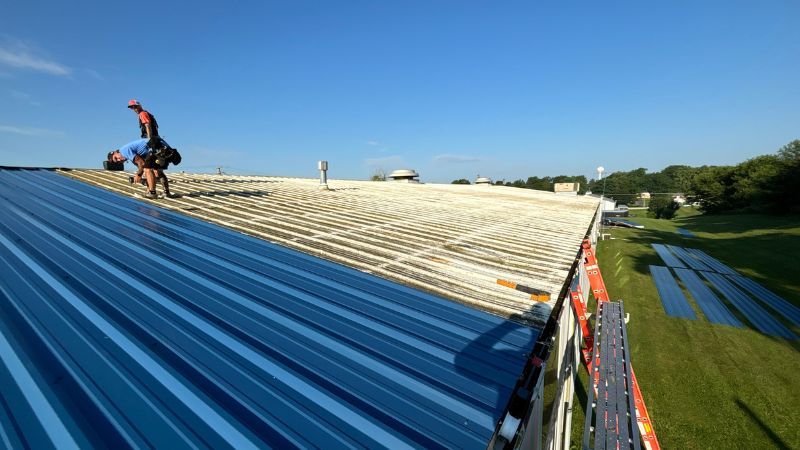
When picking roofing options involves not only considering their aesthetic and price but also how long they will last. Different roofing options exhibit varying lifespans, influencing the property owner's financial commitment over time. Shingles made of asphalt generally last between 15 and 30 years, depending on quality and installation. Metal roofs, known for its durability, can last between 40 and 70 years when installed properly. Tiles made of clay and concrete boast impressive longevity, sometimes enduring for 50+ years. Shingles made of wood, while aesthetically appealing, generally last between 20 to 25 years, affected by weather and care. Finally, artificial options show wide variation, where specific materials are meant to last a maximum of 50 years. Grasping how long they last helps homeowners make educated choices concerning their roofing expenditure.
Upkeep for a Longer Lifespan
Regular maintenance is essential to ensure the longest lifespan from your roof components. Homeowners should routinely inspect their roofs for signs of wear, like shingles that are gone, cracks, or the presence of moss. Dealing with these problems quickly stops greater damage from occurring. Different roofing materials have varying lifespans; for instance, shingles made of asphalt generally last 15-30 years, while metal roofs can endure 40-70 years if maintained correctly. Regular cleaning of downspouts and gutters is crucial to make certain water drains freely, lessening the risk of leaks and damage to the structure. Furthermore, contracting a specialist for annual inspections can assist in finding potential problems before they escalate - Massapequa Roofing Company. By being aware of the specific maintenance needs of their roof's surface, homeowners can substantially improve their roof's durability and guarantee long-term protection for their homes
The Role of Gutters in Maintaining the Roof
Gutters play an critical function in roof maintenance by directing rainwater away from the structure. Properly functioning gutters keep water from pooling on the roof, which can lead to leaks, mold growth, and structural damage. They guide water downwards and away from the foundation, safeguarding the integrity of the home.
Consistent monitoring and cleaning of gutters are essential, as debris can hinder drainage and form obstructions. When gutters are neglected, they can overflow, resulting in moisture entry into walls and ceilings, ultimately resulting in costly repairs.
Furthermore, well-maintained gutters improve the performance of a roofing system, prolonging its lifespan. Homeowners should focus on gutter maintenance as part of their overall roof care routine, making sure that these critical elements operate effectively. By following this practice, they add to the durability and safety of their homes, showing the undeniable importance of gutters in roof maintenance.
Choosing a Trustworthy Roofing Contractor
How can homeowners ensure they choose a trustworthy roofing contractor? First, it is vital to perform detailed investigation. Homeowners should look for suggestions from friends, family, and online reviews to identify well-regarded contractors in their area. Next, checking qualifications is find here important; a reliable contractor should possess valid permits, insurance, and certifications.
Homeowners should also ask for comprehensive quotes from multiple contractors, comparing costs and services offered. Communicating clearly is crucial, as a trustworthy contractor will be responsive and forthcoming about their processes.
Furthermore, reviewing past projects and customer testimonials can offer perspective into the contractor's workmanship and reliability. In conclusion, homeowners should select a contractor that provides guarantees on both materials and labor, which guarantees lasting support and protection for the homeowner’s investment. Following these steps, homeowners can vastly improve their odds of hiring a trustworthy roofing contractor.
Frequently Asked Questions
What is the Recommended Frequency for a Roof Inspection?
Experts recommend scheduling a roof inspection a minimum of two times annually, preferably during the spring and autumn months. Additionally, inspections should occur following major storms to evaluate any potential harm and maintain continuous roof integrity.
What Are the Signs of Roof Damage to Be Aware Of?
Roof damage warnings consist of shingles that are absent, water seepage, sinking, dark spots on ceilings, missing granules in the troughs, and the presence of moss or algae. Immediate action on these concerns can avoid greater deterioration and costly repairs.
Is it Possible to Do My Own Roof Repairs?
Yes, individuals can perform roof repairs themselves if they possess the necessary skills and tools. But, exercise caution, as poorly executed repairs might cause more deterioration or risks, potentially requiring professional intervention later.
What is the Impact of Weather on Roofing Materials?
Weather conditions greatly impact roofing materials, resulting in deterioration, wear, and damage. Massapequa Roofing Company. Extreme temperatures, moisture, and UV exposure can weaken integrity, resulting in water penetration or structural concerns. Routine maintenance is crucial to mitigate these effects and extend the roof's useful life
How Much Does a Typical of a Roof Replacement?
The standard price for replacing a roof typically ranges from $5,000 to $15,000, depending on factors such as the size of the roof, the material used, and the location, influencing the overall expense and quality of installation.